Backend Engineering in 2026: AI, Cloud, and the Shift Beyond API Development
How today’s backend engineers are embracing AI, distributed systems, and cloud-native architectures to build tomorrow’s tech.

Ashim Rudra Paul
Software Engineer

Backend Engineering in 2026: AI, Cloud, and the Shift Beyond API Development
How today’s backend engineers are embracing AI, distributed systems, and cloud-native architectures to build tomorrow’s tech.
What Does a Backend Engineer Do Today?
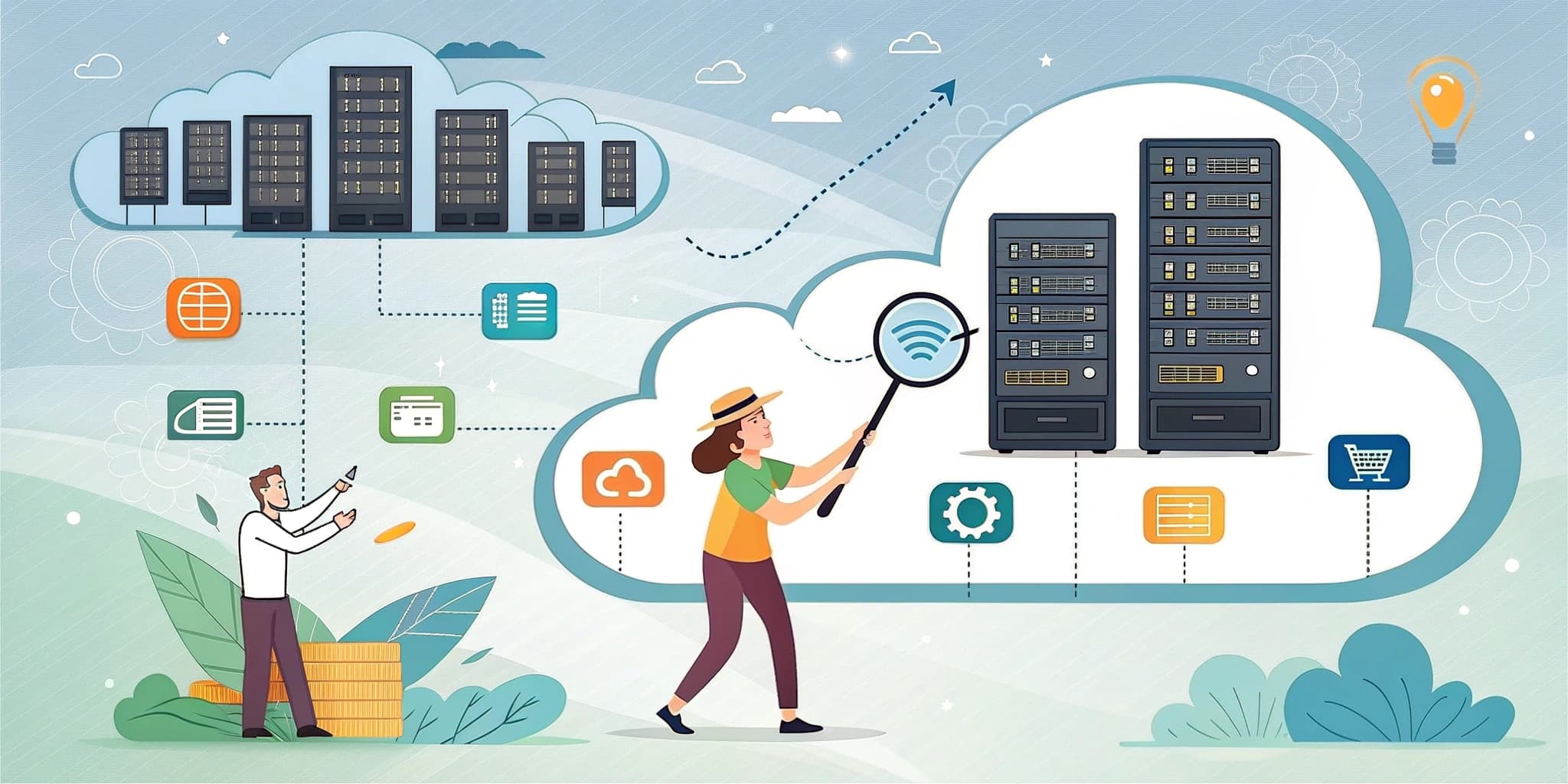
Gone are the days when backend engineering was synonymous with API development. While building robust APIs remains a core responsibility, modern backend engineers design, scale, and secure complex systems that power everything from real-time applications to AI-driven platforms.
Today’s backend engineers work on distributed systems, cloud infrastructure, databases, DevOps pipelines, and increasingly, AI integration.
Key Responsibilities Beyond APIs
- System Architecture: Designing scalable, fault-tolerant systems using microservices or serverless architectures.
- Data Engineering: Building pipelines for real-time analytics, machine learning models, or IoT applications.
- Cloud & DevOps: Managing cloud-native deployments (AWS, Azure, GCP), containerization (Docker/Kubernetes), and CI/CD workflows.
- Security: Implementing encryption, authentication (OAuth, JWT), and compliance requirements (GDPR, HIPAA).
- Performance Optimization: Reducing latency, improving database query efficiency, and load balancing.
Backend Engineer vs Backend Developer: What’s the Difference?
While the terms are often used interchangeably, subtle differences exist:
- Backend Developer: Focuses on writing code for specific features (for example APIs, business logic, and database queries).
- Backend Engineer: Takes a holistic systems view, addressing architecture, scalability, reliability, and cross-functional collaboration with DevOps, data, and frontend teams.
Essential Skills for Modern Backend Engineers
1) Technical Proficiency
- Languages: Go, Rust, Python, Java, or Node.js for high-performance systems.
- Databases: SQL (PostgreSQL), NoSQL (MongoDB), and caching tools (Redis).
- Tools: Kafka for event streaming, GraphQL for flexible APIs, Terraform for infrastructure as code.
2) Cloud-Native Expertise
- Multi-cloud strategies
- Serverless computing (AWS Lambda, Azure Functions)
- Container orchestration and resilient deployment patterns
3) Soft Skills
- Problem-solving
- Clear technical communication
- Adaptability to rapidly evolving stacks and product demands
The AI Shift: How Backend Engineers Adapt
AI is reshaping backend engineering in two major ways:
1) Building AI-Ready Infrastructure
- Deploying and scaling machine learning models (for example TensorFlow Serving)
- Managing GPU/TPU-backed workloads for training and inference pipelines
2) Leveraging AI Tools
- Using AI-assisted development tools to speed up coding and debugging
- Automating monitoring and alerting with AIOps-style workflows
Why Only API Development Isn’t Enough
APIs are still essential, but they are only one layer of the backend ecosystem. Modern backend engineers also need to:
- Handle event-driven architectures (for example WebSockets for real-time apps)
- Integrate third-party services (payment gateways, AI APIs, analytics platforms)
- Ensure observability through centralized logging and metrics (ELK Stack, Prometheus, Grafana)
Final Thoughts
Backend engineering has evolved from endpoint-focused implementation to full-scale platform engineering. The modern backend engineer bridges software development, infrastructure, data, security, and AI.
If you want to stay relevant, focus on systems thinking, cloud-native design, and continuous learning—not just API coding.